
Callie: Make Gifting Unique
INSPIRE X HK LIMITEDShopping
4.7318.00 Reviews
- Version
- 2.0.8
- Installs
- 500.00K
- Age Rating
- Teen
Screenshots

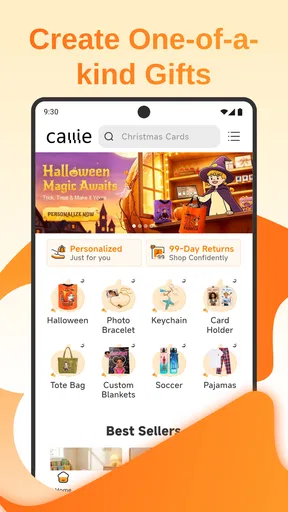
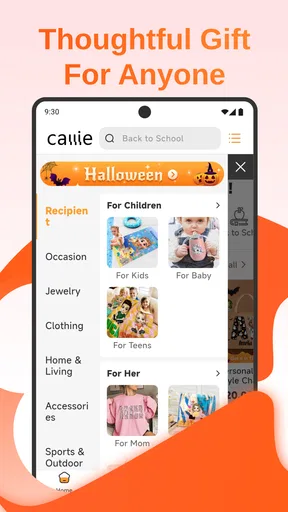
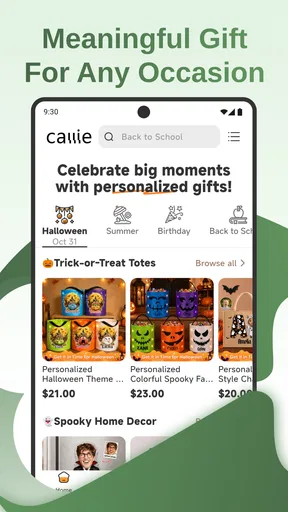
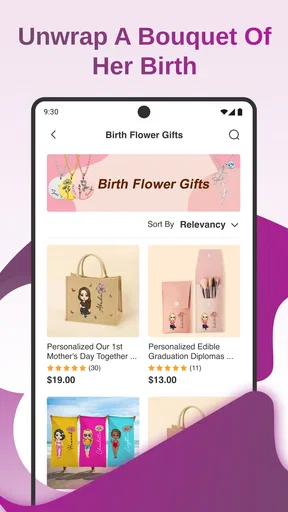

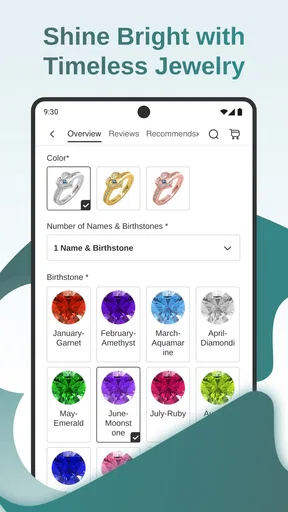
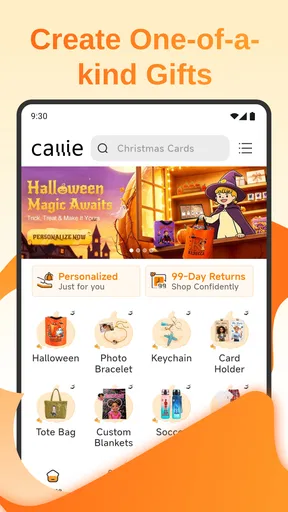
Our Review of Callie: Make Gifting Unique
 Analysis by Appyee
When I’m shopping for a school-related gift, the hard part is often finding an idea that feels personal without turning a simple errand into hours of searching. I approached Callie: Make Gifting Unique as a shopping app rather than a general marketplace, and that distinction matters. Its focus is personalized back-to-school gear and gifts for students and teachers, so the experience feels more like browsing for a thoughtful, occasion-specific present than filling a basket with everyday household items. I found it most appealing when I already had a person or school-related occasion in mind. It is less convincing as a place to compare everything at the lowest possible price.
The app is free to use, is published by INSPIRE X HK LIMITED, and sits in the shopping category. Its Teen content rating makes sense for a retail experience aimed at older children, students, families, and teachers. The public store presence shows a 4.7 average from around 1.6 thousand ratings, with more than 500 thousand installs. Those figures suggest that it has attracted a meaningful audience, although popularity alone is not a substitute for checking whether its shopping style suits you.
How Callie fits into a careful shopping routine
I use a careful routine with Callie by separating the fun part—finding a gift idea—from the decision to place an order. That gives me room to compare a few possibilities and check the recipient details without letting a personalized design rush me. It also helps me decide whether the app’s focused selection is the right fit before I move on to the practical checks that matter at checkout.
A focused alternative to broad marketplaces
The first thing I noticed is that Callie is built around the feeling of finding something personal. A large marketplace usually makes me search through endless listings, filter by price, and judge products that may have little connection with one another. Here, the school and gifting angle gives the browsing process a clearer purpose. If I need a present for a teacher, a school accessory for a student, or a back-to-school item that feels less anonymous, the narrower theme can save mental effort.
That focus is also the app’s main limitation. I would not open it expecting the same range as a general shopping platform. Someone looking for groceries, electronics, urgent replacement supplies, or a very specific mainstream brand will probably have a better experience elsewhere. Callie makes more sense when the emotional side of the purchase matters: choosing something that feels selected for a person rather than simply pulled from a search result.
The store summary positions the app around personalized school gear and gifts, while the short description is simply “Callie.” In practice, I would treat it as a discovery tool first and a practical checkout destination second. The strongest reason to use it is the chance to find an idea that feels more distinctive. The strongest reason to hesitate is that distinctive shopping often requires more time to inspect details before committing.
Where the app is genuinely useful
A realistic use case is a parent preparing for the start of a school term while also needing a small gift for a teacher. Instead of making two unrelated searches, I could browse with both purposes in mind and compare the tone of the items: useful, decorative, personal, or suitable for a particular age group. That makes the app helpful during planning, especially when I am not yet sure what I want to buy.
It can also help relatives who do not know current school trends. A grandparent, family friend, or older sibling may understand the recipient better than they understand the product landscape. A themed shopping experience gives them a starting point and reduces the need to invent a search phrase that may produce irrelevant results.
Another useful situation is group gifting. If several people are contributing to a teacher present, browsing together can be easier than passing around a long list of generic products. I would still confirm the final item details, delivery expectations, and return conditions before collecting money, but Callie can help turn a vague idea into a shortlist.
Personalization is valuable, but it needs deliberate checking
Personalized shopping creates a trade-off that is easy to overlook. The more an item is tailored to a name, role, school occasion, or recipient, the more carefully I need to review spelling, design choices, and the final configuration. A standard product can often be exchanged if I change my mind. A customized item may be less forgiving, so I would slow down at the point where personal details are entered rather than treating the process like a quick impulse purchase.
My practical advice is to prepare the recipient’s name and any wording in a separate note before opening the product page. That reduces hurried typing on a phone and makes it easier to check capitalization. I would also read the preview closely, if one is shown, and take a screenshot of the final selection for my own records. This is not a criticism unique to Callie; it is the central responsibility that comes with personalized ordering.
What I would check before paying
For a school deadline, I would not rely on the attractive appearance of a listing alone. I would inspect the item description, available variations, personalization fields, delivery information, and any purchase conditions shown during checkout. If the gift is needed for a particular classroom date, I would leave a buffer rather than ordering at the last moment.
I would also compare the complete cost with a familiar alternative. A broad marketplace may offer faster delivery or easier returns, while a local shop may allow me to see the material before buying. Callie’s advantage is the themed discovery experience, not automatically the lowest total cost or the quickest solution. That distinction helps prevent disappointment.
Trust starts with visible choices
Because this is a shopping app, trust is not only about whether an item looks attractive. I want to understand what choices I am making when I create an account, browse, personalize a product, and place an order. I pay attention to whether the app clearly presents sign-in options, checkout steps, saved details, and any requests for access to information on my device.
I would keep the account setup as minimal as the app allows. If browsing works without immediately entering personal information, I prefer to browse first and decide later whether an account is worthwhile. If an account is needed for purchasing, I would use a password that is not reused elsewhere and avoid entering extra profile details simply because a field is available.
The important point is to judge the choices that are visible on the screen rather than assuming more than the app shows. I would not treat a polished design as proof of strong privacy, nor would I assume that a request is harmless because it appears during onboarding. Before approving anything, I would read the wording and decide whether the request is necessary for the shopping task I am trying to complete.
Permissions and information-sensitive moments
The most sensitive moments are predictable: registration, personalization, address entry, payment, and order tracking. These are the points where I would pause and check what information is being requested and why. A delivery address is directly relevant to an order, while unrelated device access would deserve more scrutiny. I would review the operating system’s permission prompts instead of tapping through them automatically.
I also prefer to keep payment decisions separate from browsing decisions. Finding an appealing gift can create a sense of urgency, especially when the design emphasizes personalization. Before confirming, I would verify the recipient information, shipping destination, selected options, and total shown in the checkout flow. That small pause protects against both accidental customization errors and purchases made simply because the browsing experience was persuasive.
For younger users, adult supervision is sensible even though the app carries a Teen rating. A teenager may be able to explore gift ideas independently, but an adult should normally handle payment details, address information, and the final order when the purchase is connected to a school event. The rating helps set expectations about audience, but it does not remove the need for ordinary shopping judgment.
Keeping control after an order
I value apps more when they make it easy to understand what happens after checkout. In Callie, I would look for clear order details, confirmation information, and any available account controls before assuming that everything can be changed later. Personalization makes this especially important because an error may become difficult to correct once production or fulfillment begins.
My workflow would be simple: review the order immediately, save the confirmation, and contact support through the route shown in the app if something is wrong. I would not wait until the expected delivery window has passed if the issue is an incorrect name or address. Early action generally gives a shopper more options than discovering a mistake at the last minute.
I would also avoid storing more information than I need. If the app offers saved addresses or payment conveniences, they may be useful for repeat purchases, but I would choose them deliberately. Convenience is not automatically worth giving every shopping session a permanent memory. After a one-time school gift, checking whether saved details remain in the account is a sensible closing step.
Making a repeatable routine without overcomplicating it
For recurring school occasions, I would keep a simple private checklist rather than relying on memory: recipient, intended use, personalization text, delivery address, and the date by which the gift is needed. That habit is more dependable than assuming a previous order can be copied or that the app will retain the right choices. It also makes it easier to compare ideas across visits without saving personal details unnecessarily.
I would separate inspiration from commitment. On a first pass, I would note a few possible items and the qualities that matter—such as whether the gift should be useful or keepsake-like—then return later to inspect the strongest candidate. This is a practical way to resist buying the first attractive design and gives me room to check the full cost and timing calmly.
For a shared present, one person can gather options in Callie while the group agrees on a budget and recipient details elsewhere. Before anyone contributes, I would make sure the shortlist describes the exact version being considered, not just a general product image. The trade-off is a little coordination up front in exchange for fewer misunderstandings about names, colors, or intended delivery.
Its current place in the app ecosystem
Callie was released on September 13, 2024, and the current version is 1.9.6. It supports Android 7.0 and later, which makes it accessible to people using older Android phones, provided the device can run the current store build. I like that the compatibility range does not force every shopper to own a recent handset, although older devices can still vary in speed and available storage.
The app’s adoption and rating indicate that many shoppers have found enough value to keep using it, but I would interpret that as an invitation to try it rather than a guarantee that every product or order will suit me. Shopping satisfaction depends heavily on the exact item, the personalization choices, and the timing of delivery. Those details deserve more attention than a headline rating.
Who should choose it, and who should skip it
I would recommend Callie to someone who enjoys browsing for personal school gifts and wants more inspiration than a plain search box provides. It is particularly suitable for parents, relatives, students, and teachers who are shopping around a school occasion and are willing to inspect customized details carefully. The free entry point also makes it easy to explore before deciding whether the selection is relevant.
I would skip it when the priority is speed, standardized products, local pickup, or the simplest possible return process. A general retailer is usually better for a last-minute backpack, a replacement charger, or an item whose exact specifications matter more than its personal feel. I would also choose a different option if I am uncomfortable entering recipient information into a specialized shopping service or if the available account controls do not feel clear enough for my needs.
My cautious verdict
Callie succeeds when shopping is part of the message. It gives school-related gifting a more focused setting than a huge marketplace, and I can see why that would appeal to people who want a present to feel intentional. The app is free, accessible on older Android versions, and supported by a sizeable user base, but those conveniences should sit alongside careful checking rather than replace it.
The best way to use Callie is as a thoughtful discovery space, not an automatic shortcut to checkout. I would browse without rushing, compare the complete purchase with familiar alternatives, review every personalized field, and pay close attention to visible account, permission, and order controls. Used that way, Callie: Make Gifting Unique is worth trying for school gifts and distinctive student gear. I would simply keep a conventional retailer in reserve when certainty, speed, or easy returns matter more than originality.
Privacy and Permissions
See what permissions an app requests and how it handles your data.
- Location
- approximate location (network-based), precise location (GPS and network-based)
- Photos/Media/Files
- read the contents of your USB storage, modify or delete the contents of your USB storage
- Storage
- read the contents of your USB storage, modify or delete the contents of your USB storage
- Camera
- take pictures and videos
- Microphone
- record audio
- Other
- view network connections, full network access, reorder running apps, prevent device from sleeping
Verdict
Strengths of Callie: Make Gifting Unique
- Thoughtful gift ideas help make presents feel more personal.
- Useful for discovering options for different occasions and recipients.
- Can simplify gift planning when you are short on inspiration.
- A convenient way to browse gifting ideas from a mobile device.
- May help users find less predictable alternatives to common gifts.
Limitations of Callie: Make Gifting Unique
- Some recommendations may not match every recipient’s tastes or budget.
- Product availability and prices can change after suggestions are displayed.
- External retailers may have different shipping policies and delivery times.
- The app may be less useful if you already know exactly what to buy.
- Some features or content may require account access or additional permissions.
Similar Picks in This Category
View All
SHEIN-Shopping Online
Roadget Business PTE. LTD.4.8

Amazon Shopping
Amazon Mobile LLC4.4


Mercado Libre: Compras online
Mercado Libre4.8

Wish: Shop and Save
Wish US Holdings LLC4.7

Alibaba.com - B2B marketplace
Alibaba Mobile4.4
Frequently Asked Questions
What is Callie: Make Gifting Unique?
Callie: Make Gifting Unique is a gift-focused app designed to help you find more personal and creative presents. It can be useful when you want to move beyond generic gift cards or last-minute purchases, offering ideas and options based on the recipient, occasion, and type of gift you have in mind. The app is especially helpful for birthdays, anniversaries, holidays, and other meaningful celebrations.
How does Callie help me choose a gift?
Callie is intended to simplify the gift-selection process by helping you explore personalized ideas rather than searching through unrelated products. You can use the app to consider the recipient’s interests, the occasion, and your preferred style or budget. Its recommendations may make it easier to discover something thoughtful, although you should still review the final product details, customization choices, delivery information, and seller policies before ordering.
Can gifts be personalized through Callie?
Personalization is one of the main reasons to use Callie, as the app focuses on making gifts feel more unique and connected to the person receiving them. Depending on the selected item, customization may include names, messages, photos, dates, colors, or other design options. Available features can vary between products, so carefully check the preview, spelling, formatting, and personalization instructions before confirming a purchase.
Is Callie free to download and use?
Callie may be available to download without an upfront charge, but that does not necessarily mean every gift or service inside the app is free. The cost generally depends on the product you select, personalization options, shipping destination, delivery speed, and any applicable taxes or fees. Before placing an order, review the complete price breakdown so there are no surprises at checkout.
Is Callie safe for placing gift orders?
As with any shopping or gifting application, you should use Callie through its official Android or iOS listing and keep the app updated. Before paying, verify the order summary, delivery address, estimated arrival date, return conditions, and payment details. Avoid sharing unnecessary personal information, and contact the app’s official support team if an order is delayed, arrives damaged, or does not match the description.
